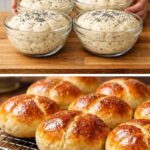
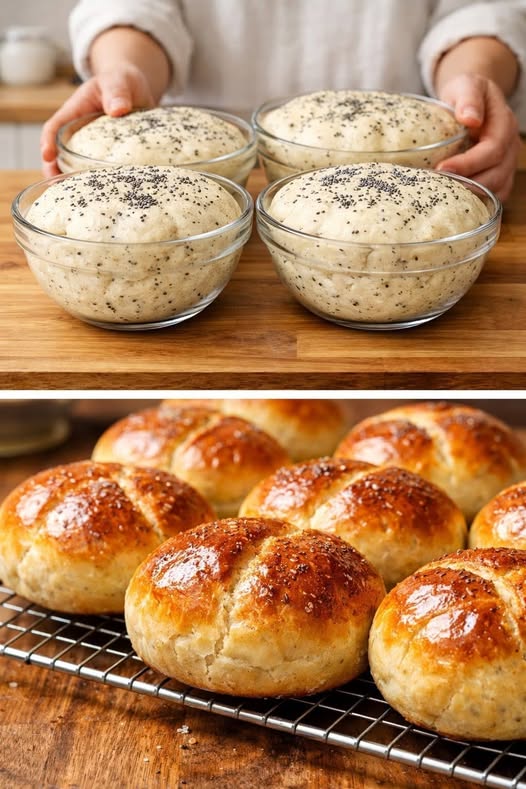
A Warm Welcome to Homemade Bread Baking
Few things in the world of home cooking are as deeply comforting as freshly baked bread. The aroma that fills your kitchen, the sight of dough rising beautifully, and the golden crust forming in the oven all come together to create a truly magical experience. Baking your own soft bread rolls at home is not only satisfying but also surprisingly simple when you understand the basics.
This homemade bread roll recipe is designed for both beginners and experienced bakers. It uses simple pantry ingredients and easy-to-follow steps to create bakery-style bread with a soft, fluffy interior and a slightly crisp, golden crust. Whether you want to enjoy them for breakfast, lunch, or dinner, these rolls are versatile enough to fit any meal.
Understanding the Beauty of Yeast Bread
At the heart of this recipe is yeast, a powerful natural ingredient responsible for making the dough rise. When combined with warm water and sugar, yeast activates and produces gases that expand the dough, creating that light and airy texture we all love.
Watching dough double in size is one of the most rewarding parts of baking. It’s a sign that your yeast is alive and working perfectly. This process is what transforms simple flour and water into soft, pillowy bread rolls.
Why This Soft Bread Roll Recipe Stands Out
This recipe is carefully balanced to deliver consistent results every time. Here’s why it’s worth trying:
- Soft and airy texture: The inside of the bread remains light, fluffy, and tender.
- Golden, glossy crust: The outer layer bakes into a beautiful golden brown with a slight shine.
- Simple ingredients: No complicated or hard-to-find items required.
- Beginner-friendly: Clear steps make it easy even for first-time bakers.
- Versatile use: Perfect for sandwiches, snacks, or as a side dish.
- Minimal effort, maximum reward: Simple steps with impressive results.
The Science Behind Perfect Dough
Creating perfect bread dough is about balance. The right ratio of liquid, flour, and yeast ensures the dough develops properly. Here are a few key elements:
- Lukewarm water: Helps activate the yeast without killing it.
- Sugar: Feeds the yeast and speeds up fermentation.
- Flour: Provides structure and body to the dough.
- Oil: Adds softness and keeps the bread moist.
- Salt: Enhances flavor and controls yeast activity.
The dough should feel soft and slightly sticky but still manageable. Overly dry dough leads to dense bread, while overly wet dough can be difficult to shape.
Step-by-Step Dough Development Explained
- Activating the Yeast
Mixing yeast with warm water and sugar starts the fermentation process. Within minutes, bubbles and foam form, indicating active yeast. - Mixing the Dough
Gradually adding flour helps create a smooth, elastic dough. Proper mixing ensures even hydration and gluten development. - Kneading Process
Kneading strengthens gluten strands, giving the bread structure and chewiness. Even a few minutes of kneading can make a big difference. - First Rise (Proofing)
This stage allows the dough to expand and develop flavor. A warm environment speeds up the process. - Shaping the Rolls
Dividing and shaping the dough ensures even baking and attractive presentation. - Second Rise
This shorter rise makes the rolls lighter and softer before baking. - Baking to Perfection
High heat creates oven spring, giving the bread its final rise and golden crust.
Pro Tips for Bakery-Quality Bread at Home
- Always use fresh yeast for best results
- Do not overheat the water (it should be warm, not hot)
- Allow enough rising time for fluffy texture
- Avoid adding too much flour while kneading
- Preheat the oven properly for even baking
- Brush with a little water or oil before baking for a glossy finish
Optional Additions for Flavor & Texture
While the base recipe is perfect on its own, you can enhance it with:
- Sesame seeds for a nutty crunch
- Poppy seeds for a delicate flavor
- A light egg wash for extra shine
- A sprinkle of herbs for aromatic rolls
Serving Ideas for Every Meal
These homemade bread rolls are incredibly versatile:
- Enjoy warm with butter, jam, or honey
- Use as sandwich buns for lunch
- Serve alongside soups, curries, or stews
- Pair with salads for a balanced meal
- Perfect for breakfast spreads or dinner sides
Common Mistakes to Avoid
Even simple recipes can go wrong if you overlook small details:
- Skipping yeast activation step
- Using water that is too hot
- Not allowing enough rising time
- Overbaking, which leads to dry bread
- Adding excess flour, making rolls dense
By keeping these points in mind, you can ensure consistent success.
Why Homemade Bread is Worth It
Baking bread at home is more than just cooking—it’s an experience. It connects you with traditional methods, gives you full control over ingredients, and produces fresher, healthier results than store-bought bread.
Once you try this recipe, it can easily become part of your regular kitchen routine.
Conclusion: A Simple Yet Rewarding Baking Experience
This easy homemade bread roll recipe proves that you don’t need professional skills to create bakery-style bread at home. With just a few ingredients and some patience, you can enjoy soft, fluffy, golden rolls straight from your oven.
The transformation from simple dough to beautifully baked bread is truly satisfying. Whether you are baking for your family or just for yourself, these rolls bring warmth and comfort to every bite.
Source: Adapted and rewritten from a traditional homemade bread roll recipe.
Part 2: Simple Soft Bread Roll Recipe (Quick Version)
Ingredients
- 350 ml warm water
- 1 tablespoon sugar
- 8 grams dry yeast
- 25 ml sunflower oil
- 500 grams all-purpose flour
- 1 teaspoon salt
- Poppy seeds or sesame seeds (optional)
Instructions
- Activate Yeast
Mix warm water, sugar, and yeast in a bowl. Let sit for 5 minutes until foamy. - Make Dough
Add oil and salt. Gradually mix in flour until a soft dough forms. - First Rise
Cover and let it rise for about 1 hour until doubled in size. - Shape Rolls
Punch down dough, divide into portions, and shape into balls. - Second Rise
Cover and let rise again for 20–30 minutes. - Bake
Preheat oven to 230°C (446°F). Bake for 30–40 minutes until golden brown. - Cool & Serve
Let cool slightly and enjoy warm.
Serving Tip: Best served fresh with butter, honey, or used as sandwich rolls.
Final Note:
Soft, fluffy, and golden—these homemade bread rolls are simple, delicious, and perfect for any time of the day.
Part 2: Soft Homemade Bread Rolls Recipe
Easy Soft Homemade Bread Rolls
These Soft Homemade Bread Rolls are light, fluffy, and buttery with a tender crumb and a beautifully golden crust. Made with simple pantry ingredients, they’re perfect for family dinners, holiday meals, sandwiches, or enjoying warm with butter straight from the oven.
Prep Time: 20 minutes
Rise Time: 1 hour 45 minutes
Bake Time: 18–22 minutes
Total Time: About 2 hours 30 minutes
Servings: 12 bread rolls
Ingredients
For the Dough
- 4 cups (500g) all-purpose flour or bread flour
- 2¼ teaspoons (1 packet) active dry yeast or instant yeast
- 1 cup warm whole milk (about 110°F/43°C)
- ¼ cup granulated sugar
- 1 teaspoon fine salt
- 1 large egg, at room temperature
- ¼ cup unsalted butter, softened
- 2 tablespoons melted butter (for brushing after baking)
Optional Ingredients
For extra flavor or texture, you may add:
- 1 teaspoon garlic powder
- 1 teaspoon dried Italian herbs
- 2 tablespoons grated Parmesan cheese
- 1 tablespoon sesame seeds
- 1 tablespoon poppy seeds
- 1 tablespoon rolled oats (for topping)
- Flaky sea salt for garnish
Instructions
Step 1: Activate the Yeast
In a large mixing bowl, combine the warm milk, sugar, and yeast.
Stir gently and let the mixture sit for 5–10 minutes until it becomes foamy. If using instant yeast, you can mix it directly with the dry ingredients.
Step 2: Make the Dough
Add the softened butter, egg, and salt to the yeast mixture.
Gradually add the flour, one cup at a time, stirring until a soft dough begins to form.
Transfer the dough to a lightly floured surface or use a stand mixer fitted with a dough hook.
Knead for 8–10 minutes, or until the dough is smooth, elastic, and slightly tacky.
Step 3: First Rise
Place the dough into a lightly greased bowl and turn it once to coat the surface.
Cover with a clean kitchen towel or plastic wrap.
Let the dough rise in a warm place for 60–90 minutes, or until doubled in size.
Step 4: Shape the Rolls
Punch down the risen dough to release excess air.
Divide it into 12 equal portions.
Roll each portion into a smooth ball by tucking the edges underneath.
Arrange the dough balls in a lightly greased 9×13-inch baking dish or on a parchment-lined baking tray, leaving a little space between each roll.
Step 5: Second Rise
Cover the shaped rolls loosely.
Allow them to rise again for 30–45 minutes, or until they become puffy and nearly doubled in size.
Step 6: Bake
Preheat the oven to 375°F (190°C).
Bake the bread rolls for 18–22 minutes, or until the tops are evenly golden brown.
The internal temperature should reach approximately 190°F (88°C) when fully baked.
Step 7: Brush with Butter
Remove the rolls from the oven.
Immediately brush the tops with melted butter for a soft, glossy finish and extra flavor.
Allow the rolls to cool slightly before serving.
Serving Suggestions
Enjoy these homemade bread rolls with:
- Butter
- Honey
- Fruit jam
- Garlic butter
- Cream cheese
- Soup
- Beef stew
- Chicken soup
- Roast turkey
- Roast chicken
- Pasta dishes
- Holiday dinners
- Barbecue meals
- Sandwich fillings
Recipe Variations
Garlic Butter Rolls
Brush the warm rolls with melted butter mixed with garlic powder and chopped parsley.
Herb Dinner Rolls
Add dried rosemary, thyme, or Italian seasoning to the dough for extra flavor.
Cheese Bread Rolls
Mix shredded cheddar, mozzarella, or Parmesan cheese into the dough before shaping.
Whole Wheat Bread Rolls
Replace up to half of the all-purpose flour with whole wheat flour for a heartier texture and added fiber.
Storage Instructions
- Store cooled rolls in an airtight container at room temperature for 2–3 days.
- Refrigerate for up to 5 days.
- Freeze in a freezer-safe bag or container for up to 3 months.
Reheating
- Oven: Warm at 325°F (160°C) for 5–8 minutes.
- Microwave: Heat for 15–20 seconds until soft.
- Air Fryer: Reheat at 320°F (160°C) for 2–3 minutes.
Nutrition Information (Approximate Per Roll)
| Nutrient | Amount |
|---|---|
| Calories | 190 kcal |
| Protein | 5 g |
| Carbohydrates | 31 g |
| Dietary Fiber | 1 g |
| Total Fat | 5 g |
| Saturated Fat | 3 g |
| Cholesterol | 25 mg |
| Sodium | 210 mg |
| Sugars | 4 g |
Nutrition values are approximate and may vary depending on the ingredients used.
Helpful Tips
- Use warm milk, not hot, to activate the yeast without damaging it.
- Measure the flour accurately to keep the rolls soft and light.
- Avoid adding too much extra flour while kneading.
- Let the dough complete both rises for the fluffiest texture.
- Brushing the rolls with butter immediately after baking keeps the crust soft and flavorful.
- If using bread flour, the rolls may have a slightly chewier texture while remaining soft inside.
Frequently Asked Questions
Can I make the dough ahead of time?
Yes. After the first rise, cover the dough tightly and refrigerate it overnight. Let it come to room temperature before shaping and completing the second rise.
Can I use instant yeast?
Yes. Instant yeast can be mixed directly with the dry ingredients and usually reduces the rising time slightly.
Why didn’t my bread rolls rise?
Possible reasons include expired yeast, milk that was too hot or too cold, or a cool room temperature during proofing.
Can I freeze baked rolls?
Absolutely. Once cooled completely, freeze the rolls in an airtight container or freezer bag for up to three months.
Final Thoughts
These Soft Homemade Bread Rolls are an excellent addition to any meal. Their fluffy texture, rich buttery flavor, and simple preparation make them a reliable recipe for both everyday baking and special occasions. Whether served fresh from the oven with butter or used for sandwiches, these homemade rolls are sure to become a family favorite.